
What Plant-Based Really Means On a Supplement
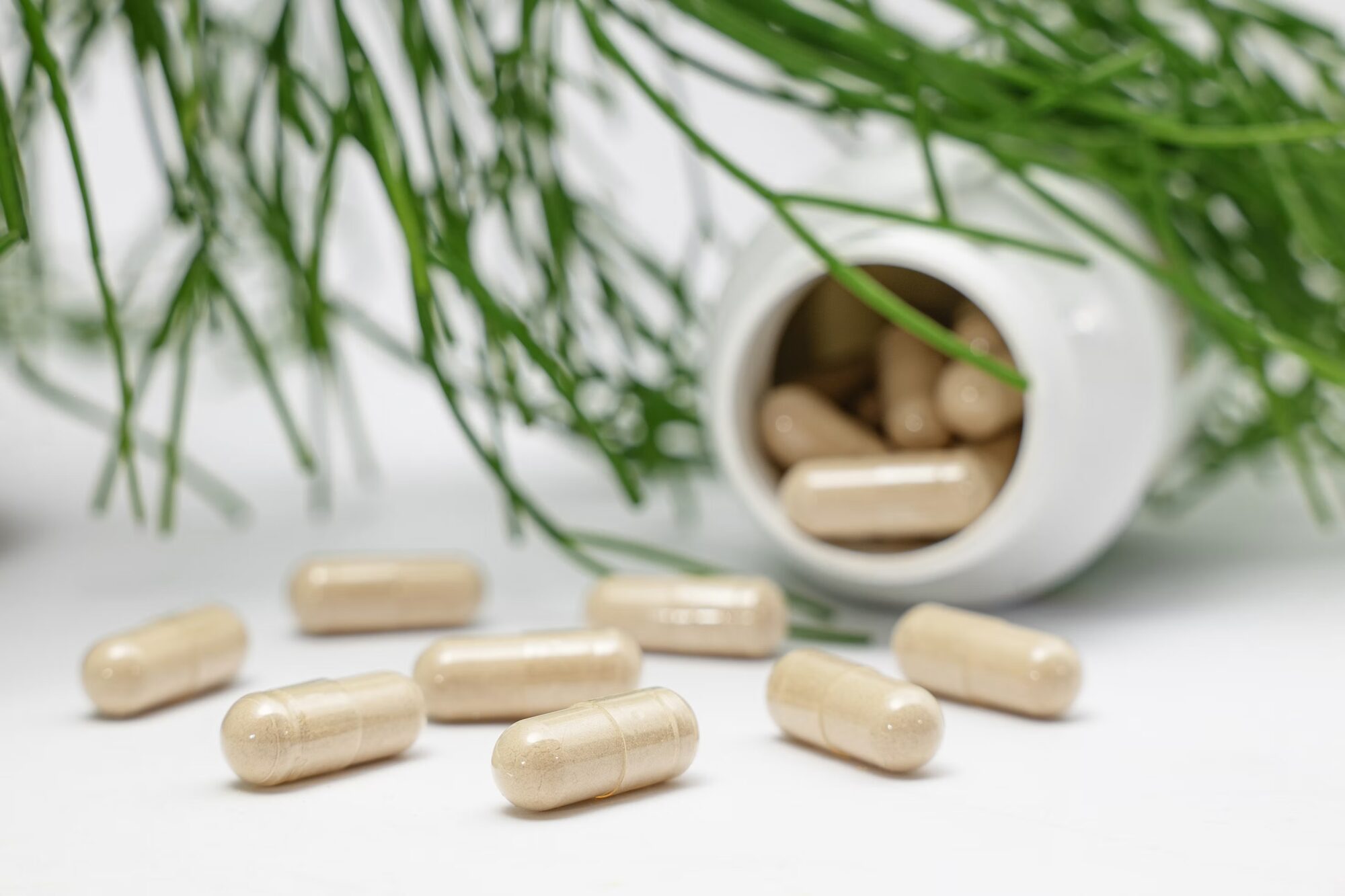
Plant-based does a lot of work on a supplement pack, and it has no fixed meaning there. Several of the decisions behind the claim are made at a contract manufacturer such as Superior Supplement Manufacturing, rather than by the brand on the front. Knowing which decisions sit where turns a vague word into a short list of answerable questions. Nothing below is health advice.
Why Is Plant-Based Not a Fixed Term?
On food, plant-based usually describes what you can see on the plate. On a supplement, it tends to describe the active ingredients and not much else.
A capsule is a manufactured object rather than a meal. Getting a measured powder into a sealed bottle takes materials that are not the active ingredient at all. Those materials are picked for how equipment behaves, and their origin is a separate question from the formula.
That gap is the whole issue. The front of the pack speaks for what the brand formulated. The rest of the bottle was engineered, and the engineering has its own shopping list.
What Sits Outside the Ingredient List You Read?
Most shoppers read the panel of actives and stop there. The other ingredients line, usually set in smaller type underneath, is where manufacturing shows up.
A typical other ingredients line runs to 3 or 4 entries, and they fall into familiar groups:
- Capsule shell material, which has an origin story of its own.
- Fillers and flow agents that keep a powder moving through machinery.
- Binders and lubricants needed when a powder is pressed into a tablet.
- Coatings, colorings and anti-caking agents.
Alt text: Two dietary supplement gummy bottles with their labels facing out, standing beside fresh fruit against an orange background
Some of those are plant-derived, some mineral, some animal-derived. Magnesium stearate is the example people run into most, since it can be sourced from palm oil or from animal fat. Stearic acid raises the same question in the same line of type. A brand can usually answer it. The panel by itself cannot.
Is the Capsule Shell Named On the Pack?
Often, though not always. A 2-piece shell is commonly gelatin or HPMC, a cellulose material that comes from plants.
Gelatin is typically bovine or porcine in origin. European producers publish background on the raw material through Gelatine Manufacturers of Europe.
Brands rarely hide an HPMC shell, because in this aisle it sells. The wording lands on the front of the carton, and the words chosen matter. Vegetarian and vegan are not interchangeable, and only one of them rules out animal-derived material completely. A shell can also be plant-derived while something further down the other ingredients line is not.
What Does a Vegan Certification Mark Verify?
A mark is a third party saying it checked something specific. What got checked is set by that program, and programs are not identical.
One you will see in American aisles is the Certified Vegan mark, whose program sits at vegan.org. Others operate in other markets. Marks also differ in how they check, since some review paperwork and others send a person to the plant. The useful move is the same in every case, which is to open the certifier’s own published standard and read 4 things:
- Whether the mark covers actives only, or actives plus other ingredients.
- How the program handles processing aids that never reach the label.
- What it says about shared equipment and cross-contact.
- Whether animal testing forms part of the criteria.
A badge is a summary of a document. The document is the part worth 10 minutes. Certifiers publish their criteria because the criteria are the product, so the reading is rarely buried.
Why Does the Facility Matter?
Contract manufacturers run many products through the same rooms and frequently the same machines. That is ordinary across the industry, and it is why cleaning and changeover procedures exist at all. Dedicated plant-only lines do exist, though they are the exception rather than the rule. A brand that has one usually says so, because building it cost real money.
Cross-contact is what these questions are really circling. Equipment that handled a dairy protein one week and a pea protein the next has to be cleaned and verified in between. That changeover is a written procedure with recorded checks, not a quick wipe down. A certification may reach into it, or it may stop at the recipe.
Advisory wording such as “made in a facility that also processes milk” appears on some packs and not on others. Its absence is not evidence of anything. Asking the brand directly is faster than reasoning from a silent label.
What Should You Ask Before You Buy?
Just 5 questions cover most of the ground, and none of them need a nutrition degree:
- Does the other ingredients line name the capsule shell material?
- Can the brand state the source of its magnesium stearate or stearic acid?
- Which mark is on the pack, and what does its published standard actually cover?
- Is the product made in a facility that also handles animal-derived material?
- Will the brand name its manufacturer, or at minimum the country?
A brand that answers all 5 quickly is telling you something. So is one that goes quiet after question 2. Give it 2 business days before drawing a conclusion, since small teams answer email in batches. The same instinct you bring to plant-based eating works here, and it is the same one behind preferring a short ingredient list in the kitchen. Whether you need any supplement at all is a conversation for your own clinician.
Frequently Asked Questions About Plant-Based Labels
Is Vegan the Same as Vegetarian On a Supplement?
No. Vegetarian usually allows animal-derived materials that are not meat, such as dairy. Vegan excludes animal-derived material altogether. Check which word the pack uses, because the difference is deliberate.
Where Does HPMC Come From?
HPMC stands for hydroxypropyl methylcellulose, a modified cellulose derived from plant fiber. It serves as a shell material in place of gelatin. Packs using it generally say so on the front of the carton.
Does a Plant-Based Claim Cover the Capsule Shell?
Not automatically. The claim may refer only to the active ingredients in the formula. Look for the shell material by name in the other ingredients line, or ask the brand to confirm it in writing.
Why Would a Brand Not Name Its Manufacturer?
Supply arrangements are often treated as commercial information, so some brands keep them private. That is common rather than sinister. A brand willing to name the facility, or at least the country, is giving you more to work with
*This is an LN Guest Post